How to Choose the Perfect Evening Gown Dress in 2026?
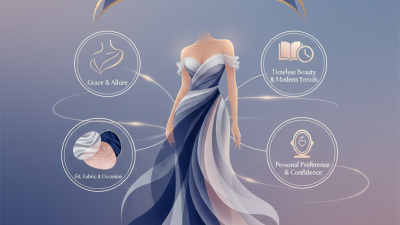
Choosing the perfect Evening Gown Dress in 2026 requires more than following a runway trend. The right gown should reflect your body, occasion, movement, and personal confidence. Vera Wang, a leading designer in bridal and formalwear, has said, “A woman is never sexier than when she is comfortable in her clothes.” That principle remains practical, even as silhouettes and fabrics continue to change.
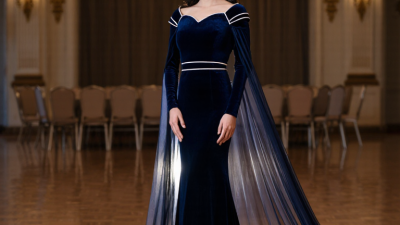
Begin with the event’s atmosphere. A black-tie ballroom may suit a floor-length velvet gown, while an outdoor evening ceremony could call for lighter satin or chiffon. Notice the lighting, too. Under warm chandeliers, ivory may appear golden, while bright photography can reveal unwanted sheerness. Walk, sit, and raise your arms before deciding. A dramatic train looks beautiful in photographs, but it can become awkward on stairs or crowded dance floors.
Fit deserves careful attention. Shoulder seams should rest naturally, and the waist should feel secure without restricting breathing. Check the hem with your actual shoes. Small details matter. A well-placed slit can improve movement, while excessive embellishment may compete with jewelry and makeup.
Still, no guide can predict every individual preference. Some styling advice feels too rigid. Trends can inspire, but they should not erase personality. I have found that the most successful choice often combines one bold feature with quiet, reliable structure. Your Evening Gown Dress should look memorable, yet still feel like something you can genuinely wear. Comfort is not a compromise. It is part of elegance.
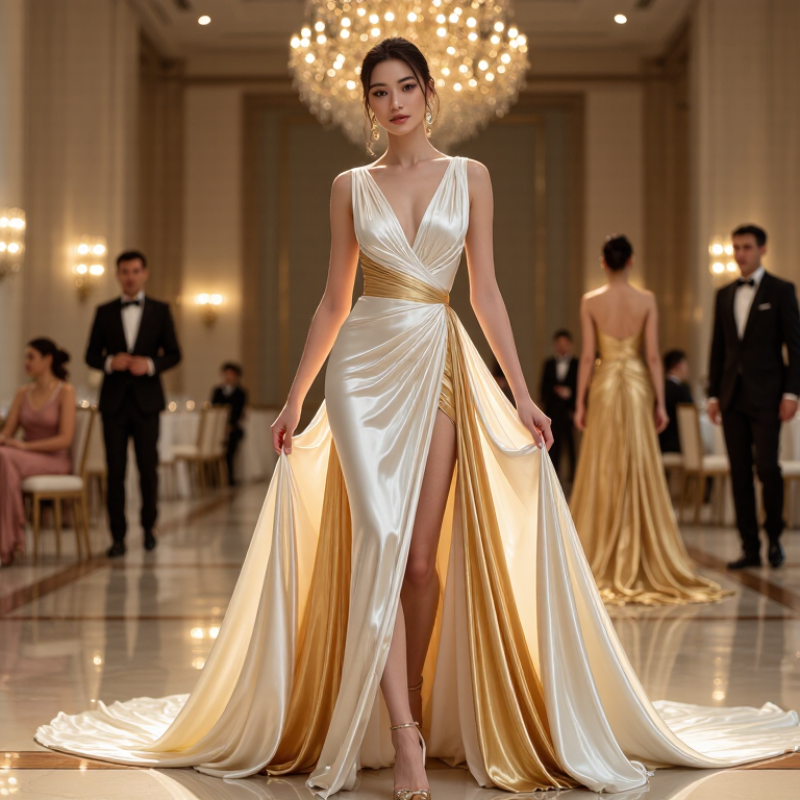
Understanding Evening Gown Styles and Formal Dress Codes
How to Choose the Perfect Evening Gown Dress in 2026?
Understanding the dress code prevents expensive mistakes. White-tie events usually require a floor-length gown, refined jewelry, and polished formal shoes. Black-tie invitations also favor long gowns, although elegant midi dresses may suit some modern venues. Black-tie optional allows more flexibility, but a sophisticated full-length style remains the safer choice. Read the invitation carefully. Wording matters.
Your venue should guide the gown’s fabric, structure, and color. Velvet feels suitable for a winter ballroom, while chiffon moves comfortably during a warm outdoor reception. A structured bodice can create definition, but it should never restrict breathing. Fit matters most. Check the hem while wearing your planned shoes, not flat slippers. A professional tailor can adjust straps, bust shaping, and length more precisely than a rushed alteration.
I once focused too much on color and ignored sleeve comfort. By the end of the evening, the dress felt beautiful but difficult to wear. That experience changed my fitting routine. I now sit, walk, raise my arms, and test the fastenings before choosing. Necklines should reflect the event’s formality and your comfort level. Subtle embellishment often looks more authoritative than excessive sparkle. Still, personal style deserves space. A simple gown can appear memorable through excellent fit, controlled accessories, and confident posture. Formal clothing is not only visual; it must support real movement, changing temperatures, and hours of conversation.
Choosing the Right Silhouette for Your Body Proportions
Choosing an evening gown begins with proportion, not a size label. Stand before a full-length mirror and note your shoulder, waist, hip, and hem lines. A dress should guide the eye, not hide your body. If your shoulders are broader than your hips, a softly flared skirt can restore visual balance. If your hips carry more volume, structured shoulders and a clean neckline may create harmony. Small adjustment, noticeable effect.
For a straighter frame, consider a defined waist, gentle draping, or a fitted bodice with movement below. An hourglass shape often suits gowns that follow the waist without squeezing it. This is where many fitting guides oversimplify. Bodies rarely match one diagram. A petite wearer may prefer a higher waistline and a narrow train. A taller wearer can handle longer vertical details. Avoid choosing a silhouette only because it is called universally flattering. Try the movement.
During fittings, sit, walk, and raise your arms before judging the gown. A qualified alteration specialist can refine shoulder seams, hem length, and waist placement. Bring the shoes and undergarments you plan to wear. Their height can change the entire balance. Check the fabric under indoor and natural light, especially near the chest and hips. I used to think the most dramatic silhouette was the most elegant. Now I question that instinct; quiet lines often look more polished. Comfort still matters. If you keep adjusting the dress, the proportions are probably wrong.
Selecting Fabrics, Colors, and Details for 2026
How to Choose the Perfect Evening Gown Dress in 2026?
Selecting Fabrics, Colors, and Details for 2026
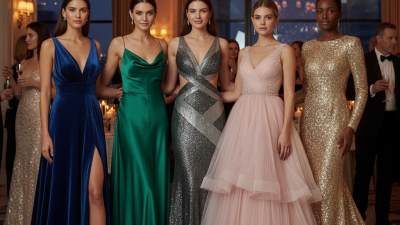
In 2026, fabric choice should begin with the event, not a passing trend. Silk blends offer fluid movement and a soft, refined sheen. Satin creates sharper reflections, but it can reveal wrinkles under bright lights. Velvet feels luxurious and photographs beautifully in cooler venues. Chiffon adds airiness, although it may need careful layering for coverage and shape.
Color deserves an honest test. Hold the gown near your face in daylight and warm indoor lighting. Deep emerald, softened plum, and midnight blue remain versatile evening choices. Metallic champagne can look elegant, yet excessive shine may overwhelm delicate features. A color that looks perfect online may appear entirely different in person. That mistake is common.
Details should support your movement. Check whether the neckline stays secure when you sit, walk, and raise your arms. Thoughtful draping can define the waist without feeling restrictive. Subtle beadwork adds texture, while heavy embellishment may become uncomfortable after several hours. Prioritize clean stitching, balanced seams, and a lining that feels smooth against the skin. A small alteration often improves the entire silhouette. Do not ignore comfort. Dressy can still feel easy.
How to Choose the Perfect Evening Gown Dress in 2026?
Typical fabric weight comparison for selecting drape, structure, and seasonal comfort
Lightweight chiffon and satin create soft movement and are suitable for warmer events. Crepe and taffeta provide more structure, while velvet offers the greatest warmth and visual richness for winter occasions. Fabric weights are typical textile ranges and vary by weave, finish, and lining.
Measurement: approximate fabric weight in grams per square meter (g/m²).
Checking Fit, Comfort, and Movement Before Purchase
How to Choose the Perfect Evening Gown Dress in 2026?
Fit matters more than a dramatic hanger impression. I once chose a beautiful gown that looked flawless under store lighting. Sitting down exposed a tight waist and a stubborn zipper. Try the dress with the undergarments and shoes you will actually wear. Check shoulder alignment, bust support, waist pressure, and hem clearance. A gown should follow your body without fighting it.
Movement reveals more than a fitting-room pose. Walk ten steps, turn slowly, raise both arms, and sit on a firm chair. Test every fastening. Can you breathe deeply? Can you enter a car without pulling the fabric? Look for strain lines around the hips, armholes, and zipper. Minor creasing is normal. Restricted movement is not. A second opinion helps, although friends sometimes favor appearance over comfort.
The National Retail Federation and Appriss Retail estimated that 16.9% of U.S. retail sales were returned in 2024. Poor fit remains one practical reason shoppers send clothing back. McKinsey’s State of Fashion 2025 also describes more value-conscious purchasing, making alterations worth calculating before payment. Ask for the garment’s finished measurements, not only its size label. Size labels vary widely. The honest test is simple: wear the gown for fifteen minutes. If you keep adjusting it, reconsider. Maybe the problem is your posture, not the dress. That possibility deserves checking.
Coordinating Accessories, Shoes, Hair, and Makeup
How to Choose the Perfect Evening Gown Dress in 2026?
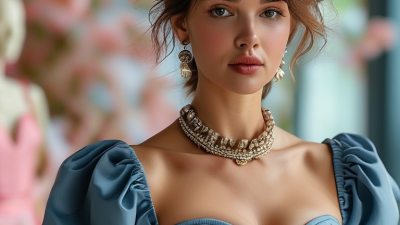
A beautiful gown needs coordination, not decoration. Choose accessories that support the dress’s neckline, fabric, and color. For a heavily detailed gown, wear simple earrings and a narrow bracelet. Smooth satin often suits polished metal, while velvet welcomes softer, less reflective pieces. I once added too many crystals to a beaded dress. The result looked busy, not luxurious. That mistake still influences my styling choices.
Shoes should match the event’s formality and your walking ability. Test them on a clean indoor floor before the evening. A lower heel can look elegant and protect your posture. Match your hairstyle to the neckline. An updo highlights shoulders, while loose waves soften a structured bodice. Makeup should balance the gown rather than compete with it. Try the complete look in natural light. Indoor lighting can hide harsh blush or uneven foundation.
Tips:
Keep one focal point. If the earrings are dramatic, simplify the necklace. Carry a small repair kit with fashion tape, pins, and blister cushions. Take photographs from several angles. They reveal awkward proportions that mirrors may hide. Do not ignore comfort. A gown may photograph beautifully yet restrict every step. Make one final adjustment after sitting, walking, and lifting your arms. That practical check is easy to skip, but it often protects the entire evening.